



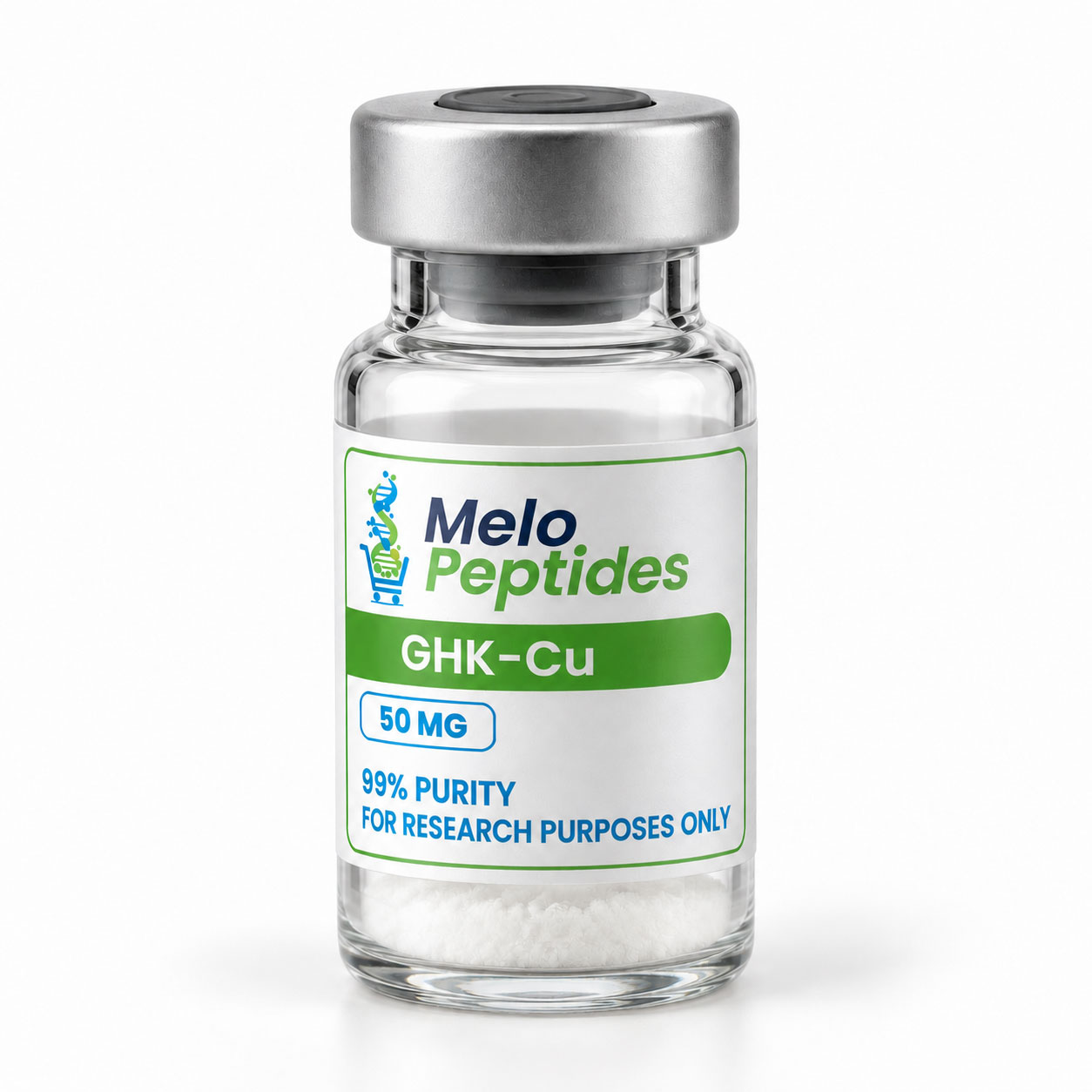
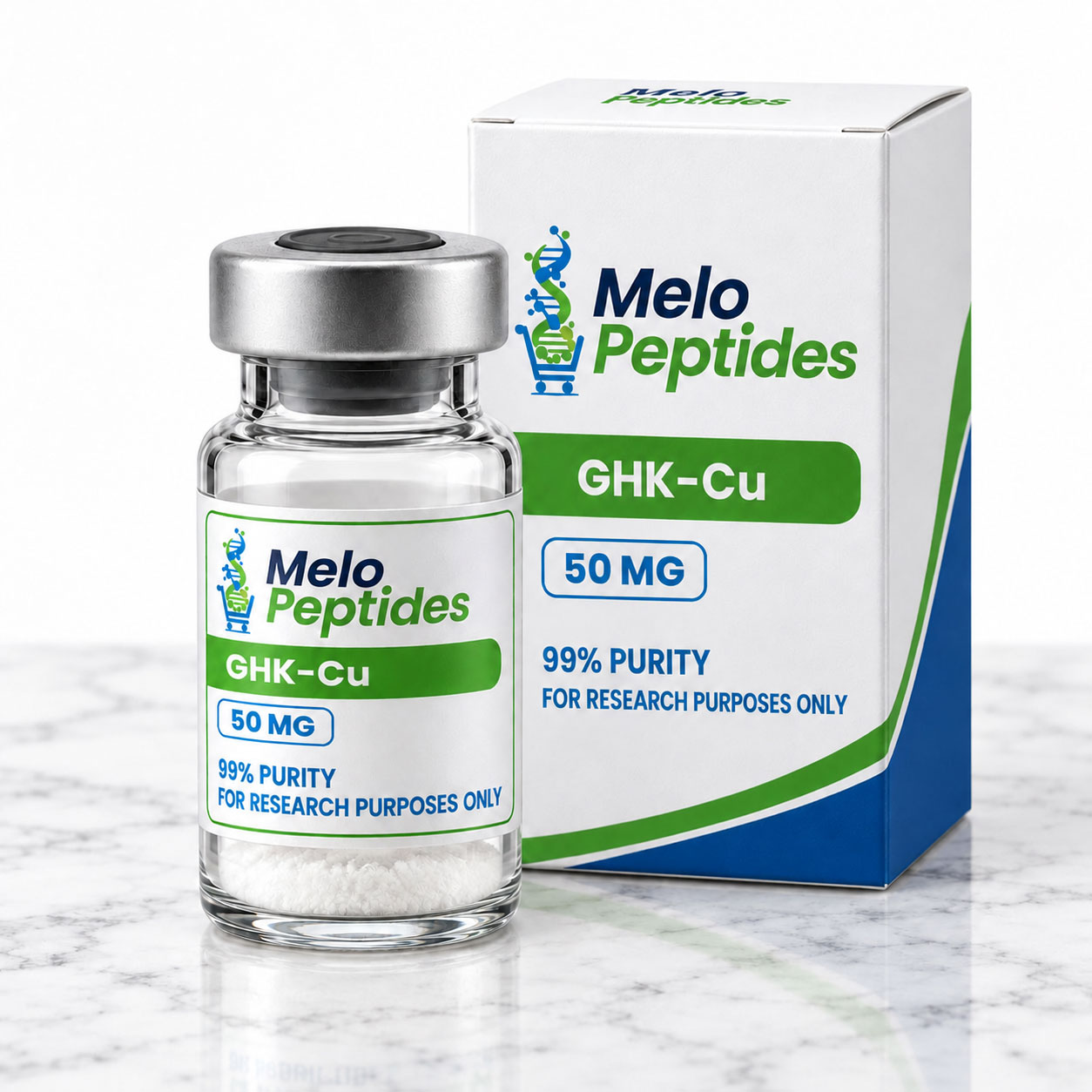

GHK-Cu (Copper Peptide) is a naturally occurring tripeptide–copper complex composed of Glycyl-L-Histidyl-L-Lysine (GHK) bound to copper (II) ions. It has been extensively studied in preclinical and laboratory research for its role in cellular communication, tissue remodeling, and regenerative biochemistry.
1. Supports Collagen and Elastin Regulation
One of the most recognized benefits of GHK-Cu is its role in regulating collagen and elastin production. These structural proteins are essential for maintaining tissue strength, elasticity, and integrity. Research indicates that GHK-Cu helps balance collagen synthesis and breakdown, making it highly relevant in studies of skin biology and connective tissue repair.
2. Promotes Tissue Remodeling and Repair
GHK-Cu is widely studied for its ability to influence tissue regeneration and remodeling processes. It supports cellular migration and organization during repair, which is why it is commonly used as a model compound in wound-healing and regenerative research.
3. Influences Gene Expression
Preclinical research suggests that GHK-Cu can modulate the expression of a wide range of genes involved in cell growth, inflammation control, and tissue maintenance. This gene-regulating activity makes GHK-Cu valuable for studying how peptides influence cellular behavior at the molecular level.
4. Supports Antioxidant Defense Pathways
Copper is a critical cofactor for antioxidant enzymes such as superoxide dismutase (SOD). GHK-Cu has been shown to support enzymatic antioxidant activity, helping protect cells from oxidative stress. This function is important in research related to cellular aging and stress resilience.
5. Regulates Metalloproteins and Enzymatic Activity
GHK-Cu plays a role in the regulation of metalloproteins and metal-dependent enzymes, which are essential for extracellular matrix turnover and cellular metabolism. This makes it a key peptide for studying metal-peptide interactions and redox-based signaling mechanisms.
6. Supports Angiogenic and Cellular Signaling Pathways
Research indicates that GHK-Cu may influence angiogenic signaling, supporting processes related to blood vessel formation and nutrient delivery at the tissue level. These signaling effects are central to understanding regeneration and cellular communication networks.
7. Valuable in Skin and Hair Research Models
Due to its effects on collagen, antioxidant activity, and cellular signaling, GHK-Cu is commonly used in skin and hair biology research. It is frequently studied in models examining tissue strength, follicle support, and age-related structural changes.
8. Important Tool in Regenerative Biochemistry Research
GHK-Cu’s stable structure and broad biological activity make it an important research peptide for investigating regenerative biochemistry, extracellular matrix dynamics, and peptide-driven repair mechanisms across multiple tissue types.
Summary
In research settings, GHK-Cu is valued for its potential benefits related to collagen regulation, tissue repair, antioxidant defense, gene expression modulation, and cellular signaling. Its copper-mediated activity makes it a powerful model compound for advancing understanding of tissue remodeling and regenerative biology.
Reviews
Clear filtersThere are no reviews yet.